
DAY
1-3
1-3
Diagnostic testing reveals Cryptococcus infection
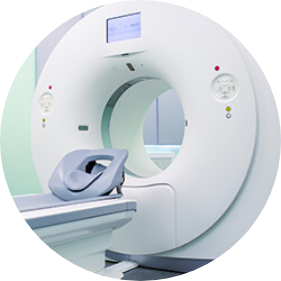
Mustafa underwent a series of tests and
investigations to try to find out the cause of his
symptoms, including lumbar puncture and
computerised tomography (CT) scans.
investigations to try to find out the cause of his
symptoms, including lumbar puncture and
computerised tomography (CT) scans.
Cultures from Mustafa's cerebrospinal fluid and
blood samples were positive for Cryptococcus
neoformans. With his CT results showing signs
of meningeal inflammation and evidence
of fluid in his brain, Mustafa was diagnosed with
cryptococcal meningoencephalitis.
blood samples were positive for Cryptococcus
neoformans. With his CT results showing signs
of meningeal inflammation and evidence
of fluid in his brain, Mustafa was diagnosed with
cryptococcal meningoencephalitis.
Antifungal treatment was started with
amphotericin B deoxycholate (50 mg/day) and
flucytosine (100 mg/kg/day).*,**
amphotericin B deoxycholate (50 mg/day) and
flucytosine (100 mg/kg/day).*,**

DAY 0
ICU admission
Decision point


Results


*Please refer to the Summary of Product Characteristics of your chosen treatment prior to prescribing.
**No evidence of benefit from the use of flucytosine with Liposomal Amphotericin B has been observed.
Whilst synergy between amphotericin B and flucytosine has been reported, concurrent use may increase
the toxicity of flucytosine by possibly increasing its cellular uptake and/or impairing its renal excretion.1
Whilst synergy between amphotericin B and flucytosine has been reported, concurrent use may increase
the toxicity of flucytosine by possibly increasing its cellular uptake and/or impairing its renal excretion.1